

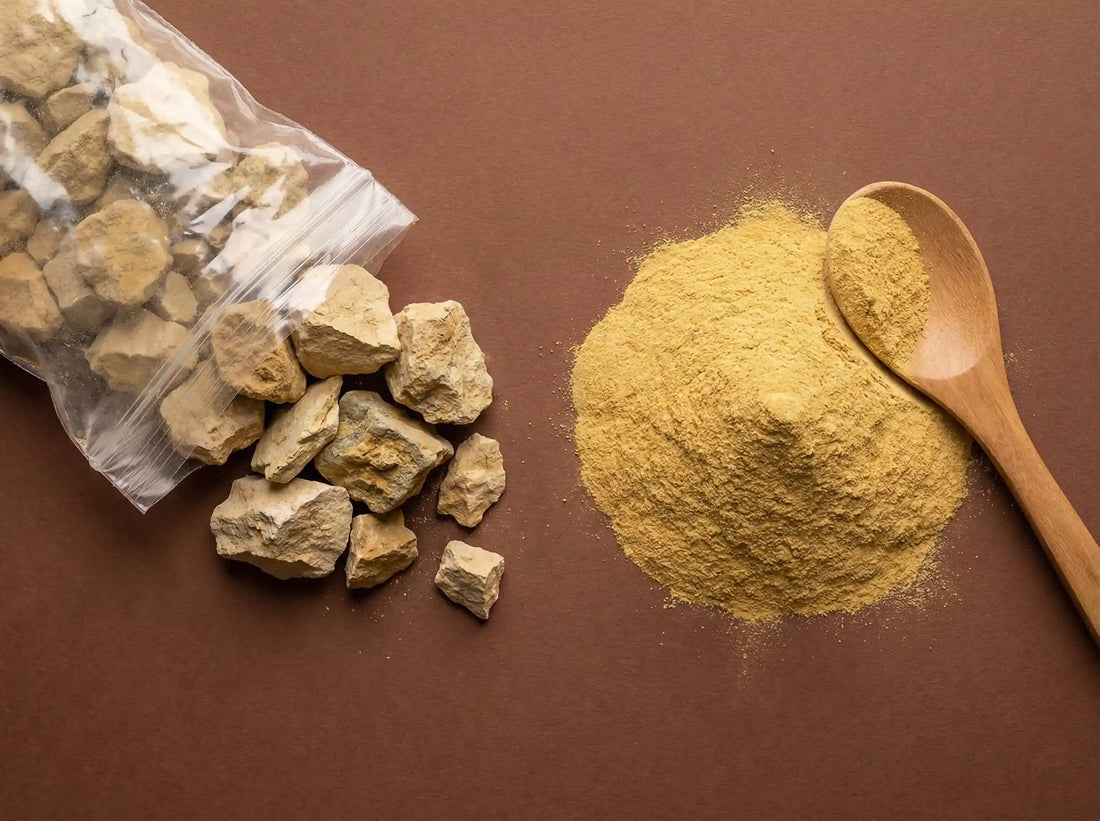
If you have ever wondered “is Multani Mitti safe?” the honest answer is: it depends completely on the grade of clay you are using. The hero ingredient itself is not the villain, but untested, grocery-store Multani Mitti absolutely can be.
Clay is mined from the earth, and the earth does not come with a clean-ingredient label. When Multani Mitti is sold in anonymous $2 bags from spice shops or marketplaces, it is often treated like any other bulk powder—not as a cosmetic ingredient meant for your face. That means no guaranteed testing for heavy metals, no microbial checks, and no proof it actually meets cosmetic safety standards.
To understand the mineral composition of this ingredient when it is pure, read our Deep Dive: What is Fuller's Earth?
Why Multani Mitti Can Carry Heavy Metals
Multani Mitti is a type of natural clay composed mainly of minerals like silica, alumina, and magnesium. Because it is literally earth, it acts like a sponge for everything present in the soil and groundwater where it is mined. That includes beneficial trace minerals, but also potentially toxic elements like lead, arsenic, cadmium, and mercury.
Studies analyzing commodity clays have detected toxic elements at varying levels, depending on the geographic source and environmental contamination of the deposit. If the quarry sits near industrial sites, traffic, or polluted water, the clay can accumulate significantly higher concentrations of heavy metals than clay mined from cleaner regions.
None of this variation is visible to the naked eye; “it looks fine” says nothing about what is dissolved inside the particles.
What Happens When You Use Contaminated Clay
When you apply a clay mask, you typically apply it to damp skin and leave it on for 10-15 minutes. During this time, water on the skin surface can help mobilize soluble metal ions present in the clay.
The Risks of "Unknown" Clay:
- Lead Absorption: Lead is a cumulative neurotoxin. Even low-dose, repeated contact over time contributes to the body's total burden. This is why regulators set strict limits for lead in cosmetics.
- Microbial Growth: If clay is stored in humid warehouses without hygiene controls (common with bulk grocery bags), mold spores can contaminate the powder. This raises the risk of infection, especially for acne-prone skin with open breakouts.
- Physical Damage: Industrial clay is often not "micro-milled." It contains coarse grit that can cause micro-tears in the skin barrier.
The Missing Link: "Cosmetic Grade" vs. "Commodity Grade"
Many people see “Multani Mitti” on a label and assume all bags are created equal. They are not. The missing concept is cosmetic grade.
Commodity Grade (The $2 Bag)
This clay is mined for industrial purposes—bleaching textiles, absorbing oil spills in factories, or even for cat litter. It is packaged cheaply because it is not intended for human skin.
Cosmetic Grade (The Fulkhari Standard)
This is a raw material that has been intentionally sourced, processed, and tested specifically for use on human skin. A cosmetic-grade supplier typically provides:
- Traceable Sourcing: The quarry origin is documented (like our source in Barmer, Rajasthan).
- Heavy Metal Testing: Every batch is analyzed to ensure lead, arsenic, and mercury fall well below strict safety limits.
- Microbiological Testing: The powder is checked for harmful bacteria, yeast, and mold.
- Micro-Milling: The clay is ground to a pharmaceutical fineness to protect the skin barrier from abrasion.
Why $2 Grocery-Store Clay Is a Red Flag
Those unbranded, plastic-packed Multani Mitti bags can be tempting. But here is the hard truth: price is often your first safety signal.
Proper testing for heavy metals and microbes costs money. Maintaining traceable sourcing and complying with cosmetic regulations adds to the cost. A bag that retails for the price of a coffee is extremely unlikely to have passed through these quality filters. Relying on “I have used it for years and I am fine” is risky because heavy metal exposure is slow and silent.
If you would not drink tap water that has never been tested, it makes little sense to apply untested earth to your face every week.
How to Choose Safe Multani Mitti

Instead of giving up on this miracle ingredient, upgrade your standard. Use this checklist before buying:
- Is it labeled for cosmetic use? Look for "For Topical Use" or the INCI name Solum Fullonum.
- Does the brand mention testing? Responsible brands proudly reference their safety standards.
- Is there a batch number? This indicates a controlled manufacturing environment.
- Is the packaging sealed? Sealed, light-proof packaging protects against moisture and mold better than thin plastic bags.
Fulkhari’s Perspective: Purity You Can Trust
Fulkhari Beauty is built around the belief that ancient ingredients deserve modern safety. The Multani Mitti used in our formulas is cosmetic grade by design.
Instead of asking you to hunt for “good” clay in grocery aisles, our masks arrive ready to use. They are sourced from vetted deposits, processed in controlled facilities, and tested for heavy metals before they ever reach a jar.
So is Multani Mitti safe? Yes—when it is cosmetic grade. The real danger lies in anonymous, untested bags that treat your skin like a dumping ground. Choose cosmetic-grade clay and let the lab, not luck, decide what touches your face.
Shop with confidence.
Explore our lab-tested, cosmetic-grade collection: View All Masks.
Frequently Asked Questions
Is Multani Mitti safe for all skin types?
Multani Mitti can be safe for most skin types when it is cosmetic grade and used in a balanced formula. However, raw or untested clay may carry heavy metals or microbes, which is risky for everyone, especially those with sensitive or compromised skin.
Can lead in clay be absorbed through the skin?
While intact skin is a barrier, repeated exposure to contaminated clay can contribute to overall heavy metal burden. Lead is cumulative, meaning it builds up in the body over time. This is why strict safety limits exist for cosmetics, and why testing is non-negotiable.
How do I know if my clay is cosmetic grade?
Look for clear labeling, a reputable brand name, batch numbers, and mentions of safety testing. If a seller is selling bulk powder in a plain bag with no manufacturer details, it is likely commodity grade.
Are grocery store Multani Mitti bags safe?
It is a gamble. They may come from clean sources, but without lab testing, there is no way to know. Most low-cost, unbranded bags are not tested for heavy metals or microbes. We recommend avoiding them for facial use.