

Intro
If you have dry or dehydrated skin, you have likely been warned to stay away from clay masks. The common belief is that ingredients like Multani Mitti (Fuller's Earth) are strictly for oily, acne-prone teenagers, and applying them to dry skin will leave you feeling tight, flaky, and parched.
So, can dry skin use Fuller's Earth? Yes, absolutely—but only if you change the chemistry of the mask.
The secret lies in a technique called "Buffering." By understanding how clay absorbs moisture and pairing it with the right lipids (fats) and humectants, you can transform this potent purifier into a nourishing treatment that removes dead skin cells without stripping your moisture barrier. Here is the science behind using Multani Mitti for dry skin safely.
The Science: Why Clay Feels Drying
To understand the solution, we must understand the mechanism. Fuller's Earth is a sedimentary clay composed largely of montmorillonite. It works through a process called capillary action.
Imagine the clay particles as thousands of tiny, dry sponges. When applied to the skin wet, they begin to dry. As the water evaporates, the "sponges" seek moisture from the nearest source: your skin. They pull out:
- Surface debris (Good)
- Excess Sebum (Good)
- Essential skin lipids and water (Bad for dry skin)
For oily skin, this aggressive absorption is helpful. For dry skin, which already lacks sebum (oil) and hydration (water), this process can damage the skin's ecosystem, leading to micro-cracks and irritation.
The Solution: The "Buffering" Method
You don't need to avoid the clay; you need to satisfy its thirst before it touches your face. This is called Buffering.
By mixing the clay with oils or humectants instead of just plain water, you pre-fill the "sponges." The clay absorbs the nourishing ingredients you added. When you apply it to your face, the clay is no longer aggressively seeking moisture. Instead, it creates an occlusive layer that pushes the nourishing ingredients into the skin while gently lifting surface dead cells.
The Best "Buffers" for Dry Skin
When mixing your mask, swap water for these hydrating alternatives.
1. Honey (The Humectant)
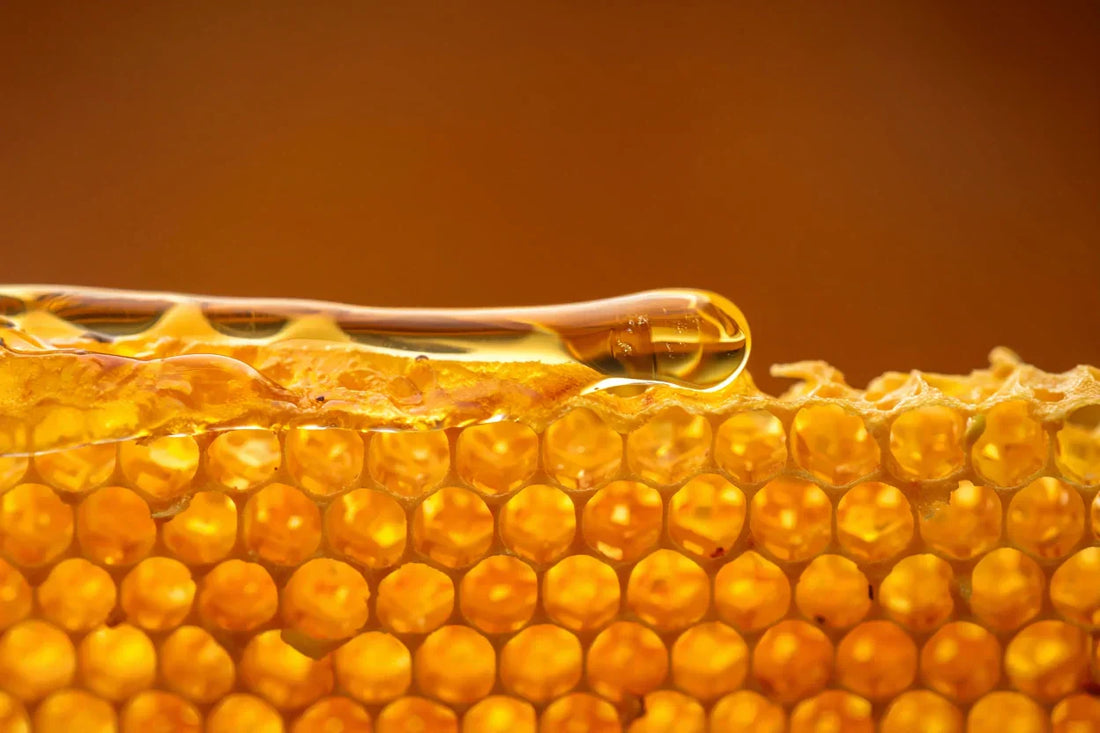
Honey is a natural humectant, meaning it draws moisture from the air into the skin. When mixed with Multani Mitti, it prevents the clay from hardening completely, keeping the mask flexible and hydrating.
2. Milk or Yogurt (The Exfoliator)
For flaky dry skin, dairy is ideal. It contains fats (lipids) to nourish the barrier and Lactic Acid to dissolve dry patches. Read more about this combination in The Ubtan Legacy.
3. Botanical Oils (The Sealant)
Almond oil, Jojoba oil, or Olive oil act as emollients. They fill the gaps between skin cells, making skin feel soft rather than tight after the mask is removed.
The Fulkhari Formulations: Done-For-You Buffering
We designed our masks specifically to solve the "drying clay" problem. Instead of raw powder that requires chemistry in your bathroom, we pre-formulated buffers into the jar.
For Dehydrated Skin: Golden Sunset
This is our premier option for dry skin types. We buffered the Fuller's Earth with Honey Powder and Sweet Almond Oil.
How it works: The Almond Oil creates a barrier, while the Honey hydrates. The clay gently polishes away the dull, dry top layer of skin without stripping the oil underneath.
Shop Golden Sunset
For Sensitive-Dry Skin: Rose Meadows
If your dryness comes with redness or sensitivity, you need cooling hydration. We paired the clay with Damask Rose, Saffron, and Sandalwood.
How it works: Rose is naturally hydrating and anti-inflammatory. It creates a soothing sensation that counteracts the tightening effect of the clay.
Shop Rose Meadows
The Rules for Dry Skin Masking
Even with a buffered mask, dry skin types must follow specific protocols to ensure safety.
1. The 10-Minute Rule
Never let the mask crack. The moment a clay mask cracks, it is drawing moisture out of your cells. Rinse while it is still slightly tacky to the touch.
2. Use Lukewarm Water
Hot water strips natural oils. Rinse with lukewarm or cool water to maintain your lipid barrier.
3. Seal It In
Apply a facial oil or heavy cream immediately onto damp skin after rinsing. The clay has prepped your skin to absorb product; don't waste that window of opportunity.
The Takeaway
You do not have to miss out on the deep cleaning and brightening benefits of Fuller's Earth just because you have dry skin. By moving away from water-based mixes and embracing the "Buffering" method—using honey, oils, or milk—you can turn a drying ingredient into a nourishing ritual.
Frequently Asked Questions
Does Multani Mitti make skin dry?
If used with just water and left to crack, yes, it can dry the skin. However, if mixed with hydrating ingredients like milk, honey, or almond oil (the "Buffering" method), it is safe and beneficial for dry skin.
Can I apply moisturizer after Multani Mitti?
Yes, you absolutely must. Clay masks open the pores and exfoliate dead skin. Applying a moisturizer immediately after rinsing seals the skin barrier and locks in hydration.
Which clay mask is best for dry skin?
We recommend the Rose Meadows. It contains rose essence, sandalwood, and saffron specifically to buffer the clay, ensuring you get the glow without the dryness.