

Intro
When a vision begins to take clear shape, finding a name that truly captures its essence is a crucial step. For Fulkhari, this wasn't a process of sifting through marketing buzzwords. Instead, it felt like uncovering something that was already there, waiting to be recognized. The name needed to resonate with our deep respect for heritage, our belief in nature's efficacy, and our desire to weave ancient wisdom into modern life. The journey to "Fulkhari" was one of quiet reflection, meaningful conversations, and even some surprising, serendipitous connection.
Threads of Inspiration
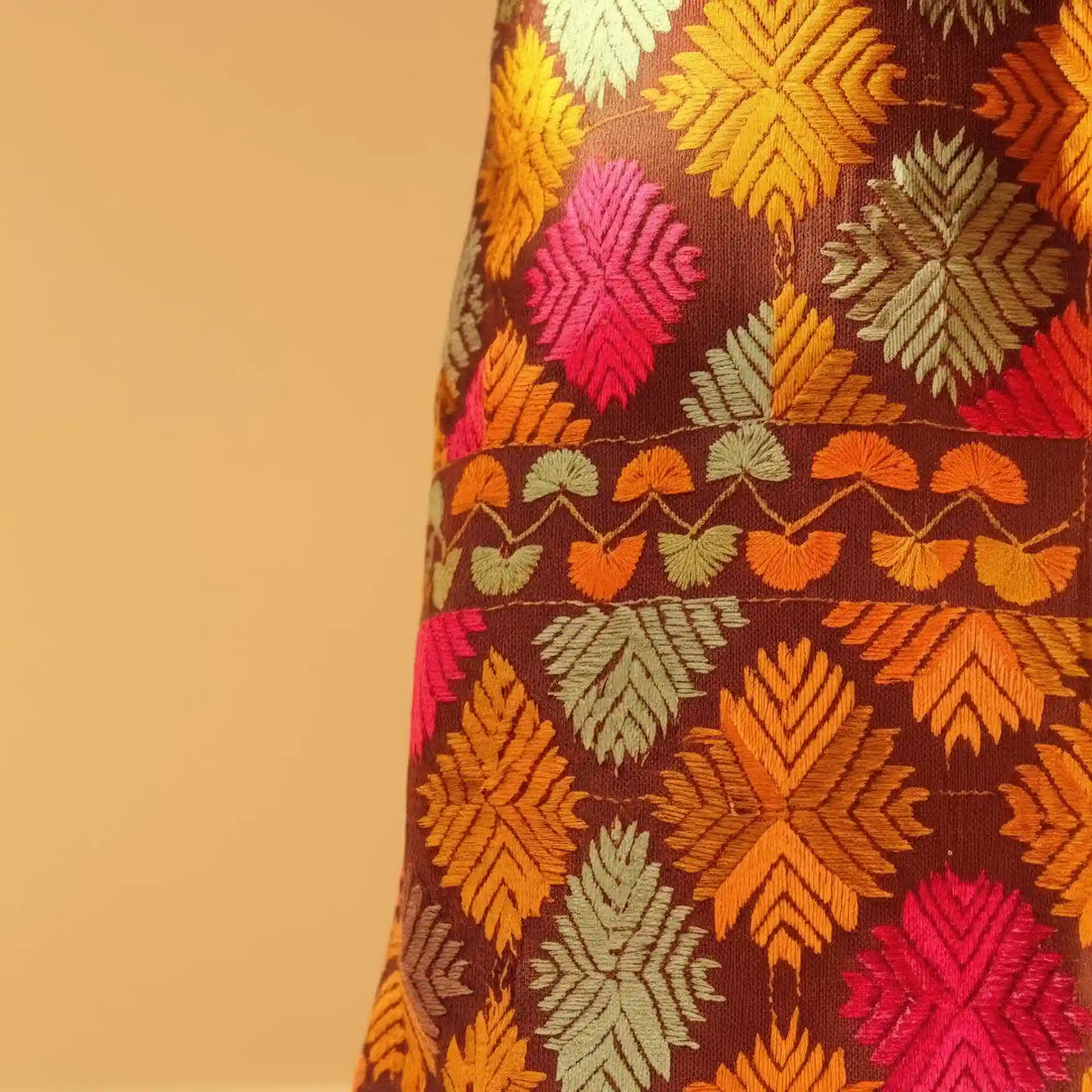
For our founder, Rupali, the journey to the name Fulkhari was less a direct search and more a gentle unfolding of meaningful connections. While revisiting some cherished family keepsakes that had made the journey from Punjab to Canada with her family years ago, items carefully stored away like traditional bedding that didn't quite fit modern beds, she was particularly struck by beautiful textiles lovingly hand-stitched by her grandmother. Among these archived treasures were quilts, bedsheets, and pillowcases adorned with the distinctive embroidery unique to Punjabi culture: Phulkari (pronounced fool-kah-ree). Seeing the intricate patterns up close, the consistent, perfect stitches often depicting flowers and geometric shapes, and knowing the immense skill and patience required, sparked a profound appreciation.
Her mother would share stories of how Phulkari wasn't just decoration, it was a vital tradition. Women in the family meticulously stitched these pieces, especially those given during significant life events like weddings, turning simple cloth into treasured heirlooms. This wasn't just embroidery. It was artistry, cultural history, and women's stories literally written in thread. The beauty and significance of this craft, seen firsthand in her own grandmother's handiwork rediscovered among family linens, lingered deeply, planting a seed of inspiration.
Understanding Phulkari: More Than "Flower Work"
Phulkari, translating literally to "flower work," is a traditional embroidery technique deeply embedded in the cultural fabric of Punjab. Historically crafted on hand-spun, naturally dyed cotton called khaddar, it's characterized by vibrant silk threads. These threads, often floss silk known as pat, were worked from the reverse side of the fabric using a darning stitch. This created stunning floral and geometric patterns on the front. The colours are often bold and symbolic: rich reds, golds, greens, and blues shimmering against the earthy base cloth.
But Phulkari is more than just technique. For generations, it served as a visual language, adorning shawls, also known as odhinis or chaddars, and garments worn during major life celebrations. These celebrations included births, weddings, and religious festivals. Mothers and grandmothers would lovingly embroider pieces for daughters and granddaughters, putting blessings and hopes into every stitch. These textiles became cherished family treasures, passed down through families, carrying memories and connecting generations.
Crucially, Phulkari was also a highly respected skill, mainly practiced by women. It provided a powerful way for creative expression and often contributed to a woman's value and standing within her community. While it might not always have led to direct financial independence in the way we think of it today, mastering this detailed craft gave women recognized artistry and skill. It was a way to contribute beauty and cultural continuity to their families and society. It was a testament to their patience, creativity, and resilience.
Uncovering Deeper Layers: Meaningful Connections
As the vision for a skincare line rooted in these principles began to solidify, the name "Fulkhari" kept coming to mind. It felt right. Then, some unexpected connections began to appear, adding layers of personal meaning that felt almost like gentle affirmations.
For a long time, while our founder was working on the initial mask formulas, a subtle link hadn't consciously registered. The "Ful" in Fulkhari echoed the "Ful" in Fuller's Earth, our base ingredient, Multani Mitti. It was a surprising realization, a word connection linking the name to the very earth-based remedy that had been so important.
Another deeply personal connection also emerged. The latter part of the name, "Hari," held the name of Rupali's paternal grandfather. He was an ancestor she never had the chance to meet, as his life was cut short when her father was very young, but his memory was dearly cherished within the family. Discovering this resonance within the chosen name, linking it to a beloved family figure whose legacy was part of her own story, added an unspoken layer of depth and a feeling of gentle, personal significance.
These weren't planned connections. They appeared naturally, like discovering hidden patterns in a familiar piece of embroidery. They made the name feel even more fitting, more truly "right" for what we hoped to create.

Weaving Our Ethos: The Name as Metaphor
These layers of meaning, the cultural richness of Phulkari embroidery, the subtle echo of our key ingredient, the personal ancestral link – all solidified why "Fulkhari" felt like the perfect embodiment of our core beliefs. The name became a powerful symbol:
Flower Work: This beautifully reflects the natural, botanical ingredients that are central to our philosophy. These are ingredients like golden turmeric and luxurious saffron that blossom from the earth to nourish the skin.
Weaving Threads: It symbolizes our mission to carefully "weave" together the threads of ancient wisdom (traditional remedies) with modern understanding (effective, stable formulations).
Artistry & Intention: Like Phulkari, our approach is rooted in mindful creation, patience, and a deep respect for both the ingredients and the traditions they come from.
Generational Connection: It speaks to honouring the knowledge passed down, creating a bridge between the past and the needs of today.
Choosing "Fulkhari" wasn't just about finding an appealing name. It felt like embracing a word that carried history, artistry, personal connection, and the very spirit of our vision. That vision is to nurture, to connect, and to bring forth beauty rooted in authentic heritage and the gentle power of nature. It’s a name that reminds us, every day, of the meaningful threads we aim to weave into the world.